
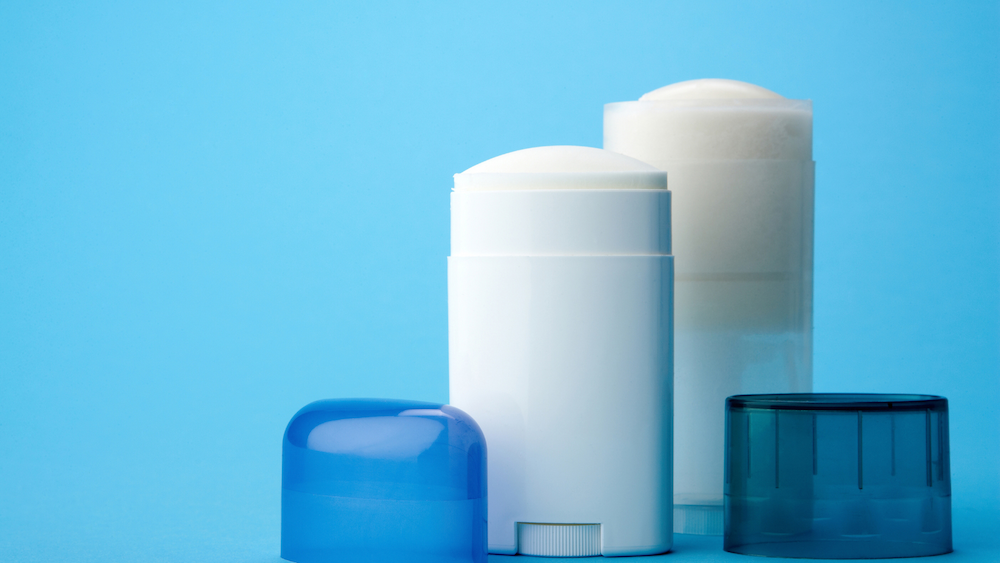
Most people think deodorant is a “summer thing.” Hot days, sweating outside, sticky shirts — sure, that all makes sense.
But here’s the twist no one talks about… You actually need deodorant more in winter.
Strange, right? Cold weather feels like it should stop sweating, not make it worse. But winter creates the perfect storm for odor: heavy clothing, blasting indoor heat, stress from the holidays, dry skin, and even changes in your body’s natural bacteria.
All of these can make you sweat more than you do in July — and smell worse, too.
So if you’ve ever wondered, “Why do I feel sweaty even when it’s freezing outside?” or “Why do my sweaters smell faster than my summer clothes?”
You’re not imagining it.
Below are 13 surprising reasons winter sweat is real and why choosing the right deodorant matters even more this time of year.
1. Heavy Winter Layers Trap Heat
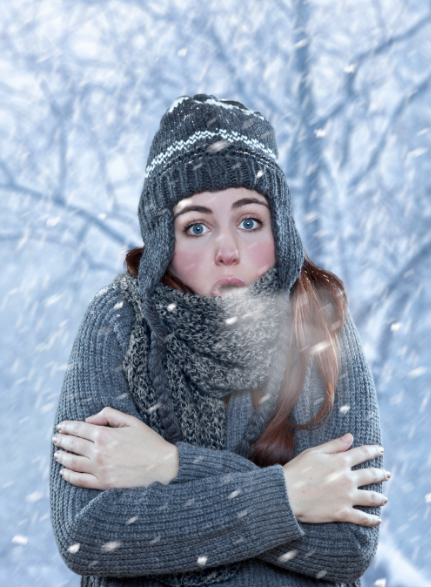
When you bundle up in coats, sweaters, scarves, and thick shirts, you’re basically wrapping yourself in insulation. That means your body heat gets trapped — and fast.
Even if it’s freezing outside, all those layers can warm you up to the point where your body needs to cool itself down. And the quickest way your body does that?
Sweating.
The problem is that winter clothing doesn’t let sweat evaporate the way summer clothes do. Instead, it stays trapped against your skin, giving odor-causing bacteria the perfect place to grow.
So while you might feel cold, your armpits are living in a whole different world — one that’s warm, damp, and ready to sweat.
2. Indoor Heating Overheats Your Body
Winter feels cold… until you walk inside.
Most homes, stores, and offices are kept around 70–75°F (21–24°C) during winter. After being out in the chilly air, this sudden blast of warm, dry heat can confuse your body.
Your temperature jumps quickly, your heart rate can rise a little, and your body reacts by trying to cool you down. This means:
You start sweating.
You might not notice it right away, but your armpits sure do. And because indoor heating is so dry, your skin gets irritated more easily, which can make sweat smell stronger.
That cozy warm room? Yeah… it secretly turns your body into a mini sauna.
3. Winter Stress Sweat Is Worse (Holiday Stress = Stronger Odor)
Winter isn’t just cold — it’s busy.
Holiday shopping, family gatherings, end-of-year deadlines, travel, money stress… it all adds up. And when stress goes up, your body releases a different kind of sweat called stress sweat.
And here’s the not-so-fun part:
Stress sweat smells worse than regular sweat.
That’s because it comes from special glands that release proteins and fats — and odor-causing bacteria love those. The more stressed you feel, the more intense the smell can be.
So even if you’re not hot… Even if you’re not moving much… Even if it’s freezing outside… A stressful moment is all it takes for odor to kick in.
Winter might look peaceful on the outside, but inside? Your sweat glands are working overtime.
4. Coats and Sweaters Hold Onto Odor
Here’s a winter mystery: Why does your favorite sweater start smelling… and fast?
The answer is simple: Thick winter fabrics trap odor.
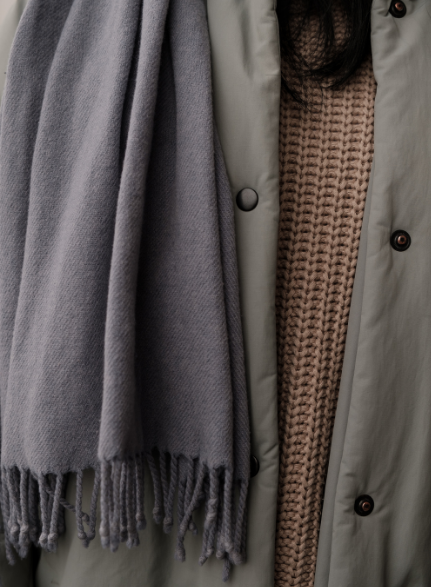
Heavy coats, hoodies, knit sweaters, and fleece don’t breathe the way summer T-shirts do. Once sweat gets in there — whether from stress, overheating, or just being bundled up — it hangs around.
And the real troublemaker?
Coats rarely get washed.
So every time you put one on, you’re layering today’s sweat on top of last week’s sweat. It’s basically a smell sandwich… and nobody wants that.
This makes fresh, effective deodorant a must during winter.
6. People Shower Less in Winter (Be Honest…)
Let’s be real: winter makes everyone a little lazier in the hygiene department.
It’s dark in the morning. It’s cold at night. And standing in a hot shower only to step out into chilly air? Not exactly motivating.
So what happens?
We shower less often.
And when we shower less, sweat, oils, and bacteria have more time to build up under our arms — even if you don’t feel sweaty. Winter clothes trap more odor, too, so that “day-old” smell becomes a lot more noticeable.
This is one of the big reasons deodorant becomes even more important in the colder months:
Less showering → More bacteria → Stronger odor.
A good winter deodorant helps bridge the gap until you finally convince yourself to face that shower.
7. Sedentary Winter Days Increase “Passive” Sweating
Winter naturally makes us slow down.
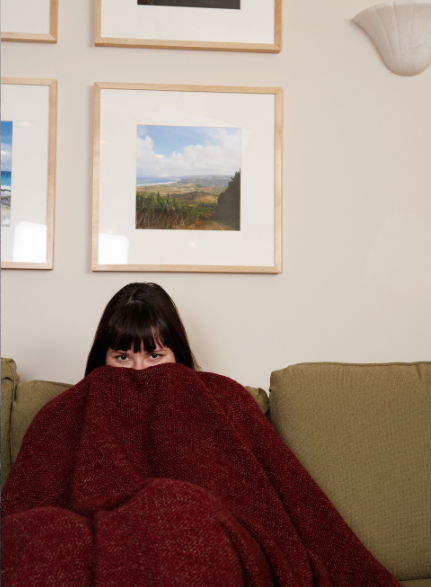
We curl up under blankets… Work long hours at a desk… Sit near heaters… And move less overall.
But here’s the funny thing: Not moving can actually make you sweat more.
When you’re wrapped in warm clothes or sitting close to a heater, your core temperature rises — even though you’re not being active. Your body still needs to cool itself down, so it releases sweat quietly in the background.
This is called passive sweating, and it happens a lot more in winter than people think.
You may not feel sweaty… But your armpits definitely notice.
This hidden winter sweat is one of the biggest reasons odor sneaks up on people during the colder months.
8. Winter Weight Fluctuations Raise Your Core Temperature
It’s totally normal to gain a little weight during winter. Between holiday food, comfort meals, and less outdoor activity, most people notice a small seasonal change.
And here’s how that connects to sweat:
A bit of extra insulation means your body holds onto heat more easily. When your core temperature rises — even slightly — your body uses sweating as a way to cool things down.
So even if you’re just walking around the house or running a few errands…
You might sweat more in winter simply because your body is warmer on the inside.
It’s not a bad thing — it’s just your body doing what it’s designed to do. But it does mean odor can pop up faster than you expect.
9. Winter Hormone Shifts Can Mess With Your Body Temperature
Winter doesn’t just change the weather — it changes you.
With less sunlight, your body produces different levels of key hormones like melatonin and cortisol. These shifts can throw off your internal rhythms, including how your body manages stress and temperature.
Here’s what that means:
- Lower sunlight = more melatonin during the day → feeling sluggish
- Changing cortisol levels = higher stress response
- Both together = your body has a harder time regulating heat
And when your temperature regulation gets thrown off?
You sweat more — even when you feel cold.
These hormonal swings are a big reason people notice unexpected sweat patches or odor during winter months.
Your body is just trying to keep up… and deodorant becomes your secret weapon.
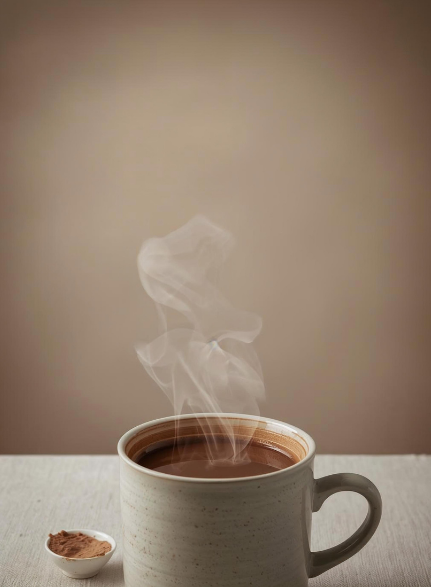
10. Hot Drinks Trigger “Thermal Sweating”
Winter is basically the season of warm drinks.
Coffee… Tea… Hot chocolate… Mulled cider… (And maybe one too many peppermint mochas.)
But all those hot drinks do something sneaky: they raise your core temperature. When your internal temperature rises — even just a little — your body reacts the same way it does in summer heat:
It starts sweating to cool you down.
You might not notice it happening, but your armpits do. And because winter clothing traps heat, that thermal sweat sticks around longer, giving odor-causing bacteria more time to do their thing.
So yes… even your cozy winter beverages can make deodorant a must.
11. Your Skin’s Microbiome Changes in Winter
Your skin is home to a whole community of bacteria, and most of them are actually helpful. They protect your skin, keep it balanced, and even help control odor.
But here’s something most people never realize: Your skin’s microbiome changes with the seasons.
Cold, dry winter air → less moisture → different bacteria thrive. And unfortunately… the bacteria that love winter conditions tend to be the odor-causing kind.
With more of those bacteria hanging around, even a small amount of sweat can turn into noticeable odor.
So when winter hits, your armpits are working with a whole new bacterial lineup — one that needs a little extra help staying fresh.
This is a big reason why a gentle, natural deodorant (that supports your skin rather than stripping it) can make such a difference this time of year.
12. Seasonal Affective Disorder Can Increase Sweating
Winter doesn’t just affect your body — it affects your mood too.
With less sunlight, many people experience Seasonal Affective Disorder (SAD) or just the general “winter blues.” This can lead to:
- Higher stress
- Increased anxiety
- Lower energy
- Trouble sleeping
And when stress or anxiety goes up?
Sweating goes up too.
Your body activates its “fight or flight” response, which triggers the same sweat glands responsible for stronger, more potent odor.
So even if you’re bundled up, calm on the outside, or barely moving, your nervous system might be telling your body to release more sweat.
Winter can be emotionally heavy and your sweat glands often feel it first.
13. Sweaters + Chemical Deodorants = Stronger Stains and Odor
Ever notice how your winter sweaters start to get that… “funk” sooner than you expect?
It’s not your imagination. And it’s not just the sweater.
Traditional deodorants often contain aluminum, artificial fragrances, alcohol, and other chemicals that react with your sweat. In summer, lighter clothes breathe and let the moisture escape.
But in winter?
Thick fabrics trap everything.
When aluminum and sweat get pressed into sweaters, hoodies, and long sleeves, they can create:
- Yellow stains
- Chalky buildup
- Stiff patches of fabric
- Lingering odor that’s hard to wash out
This chemical + sweat reaction is stronger in winter because the clothing layers sit closer to your skin and hold onto moisture longer.
The result? Your clothes absorb more odor and start smelling faster.
A natural, aluminum-free deodorant helps avoid this entire problem, keeping both your skin and your sweaters happier all season.
Winter Is When Your Armpits Need the MOST Support
After looking at all 13 reasons, it’s pretty clear:
Winter is secretly one of the sweatiest — and smelliest — seasons of the year.
➡️ Heavy layers trap heat.
➡️ Indoor heating overheats your body.
➡️ Stress sweat spikes.
➡️ Your skin gets dry and irritated.
➡️ Sweaters hold onto odor.
➡️ And even your morning coffee can set off your sweat glands.
So while most people think deodorant is just a summer essential… Your body knows the truth: You need deodorant even MORE in winter.
But not just any deodorant.
Winter is hard on your skin. Cold air, dryness, irritation, and sensitive underarms mean harsh ingredients hit even harder this time of year. Aluminum, alcohol, and synthetic fragrances can all make winter odor worse by disrupting your skin barrier and feeding odor-causing bacteria.
This is exactly why switching to a simple, natural, hemp-powered deodorant makes such a difference.
Why SomaLeaf’s Deodorant Is the Perfect Winter Upgrade
SomaLeaf’s deodorants were created with sensitive skin and natural freshness in mind, which makes them ideal for the unique challenges winter brings.
Here’s how they help:
✔ Gentle on dry, irritated winter skin
No aluminum.
No baking soda.
No harsh fragrances.
Just clean, soothing ingredients your skin can actually handle in cold weather.
✔ Hemp oil supports the skin barrier
Hemp helps calm redness, moisturize dry patches, and keep your underarms comfortable — even when the air is brutally dry.
✔ Lets your skin breathe (even under heavy layers)
Because there are no pore-blocking chemicals, your skin can regulate moisture naturally, reducing that trapped-sweat smell sweaters love to hold.
✔ Works with your microbiome — not against it
Supporting healthy skin bacteria is key in winter, when odor-causing bacteria thrive. A simple formula keeps things balanced.
✔ Zero stains, zero gunk, zero sweater damage
Without aluminum and artificial additives, you avoid those chalky marks and yellow stains that ruin winter clothing.
✔ Available in three gentle scents
- Unscented (sensitive skin dream)
- Lavender (calming + cozy)
- Bergamot & Ginger (fresh + clean)
Each one delivers long-lasting freshness without overwhelming winter layers.


