
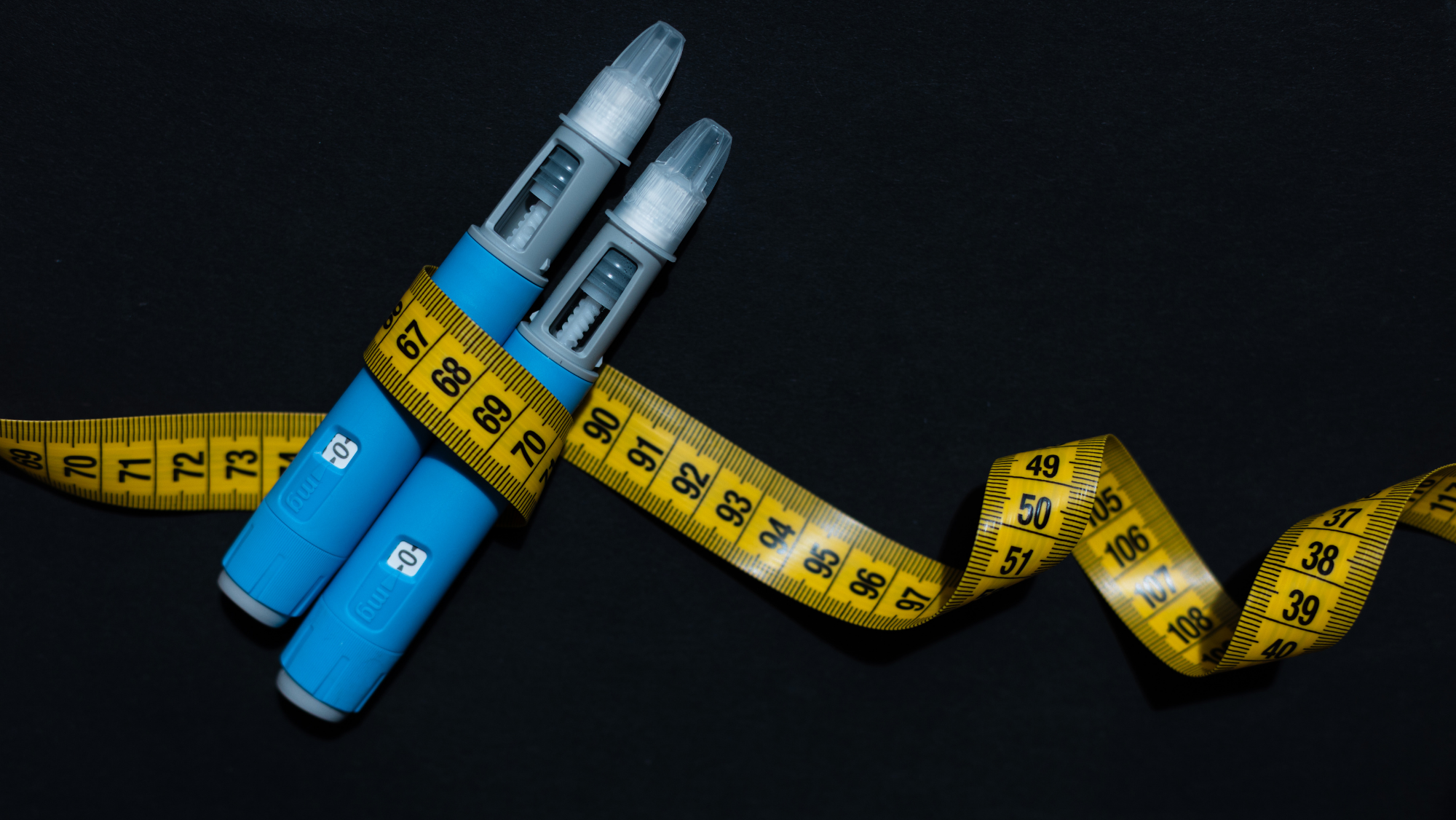
Ozempic has become a household name—and for good reason. GLP-1 medications can be valuable tools for people managing type 2 diabetes, obesity, and related health concerns.
They’re not the only place to begin, though.
Depending on your health, goals, insurance coverage, and budget, you may want to explore some lower-cost, non-prescription approaches first. These options won’t produce medication-level results overnight, but they can help support appetite, metabolism, body composition, and long-term health.
Build meals around protein, fiber, and whole foods
If hunger and cravings keep derailing your plans, start by looking at what is—or isn’t—on your plate.
Protein and fiber tend to digest more slowly than refined carbohydrates, helping meals feel more satisfying. A systematic review found that higher-protein diets may improve fullness in people with overweight or obesity, although the strength of the evidence varied among studies. [1]
Whole foods may also make it easier to eat an appropriate amount without obsessively counting every calorie. In a controlled National Institutes of Health study, participants ate about 500 more calories per day and gained weight while following an ultra-processed diet—even though the meals offered were matched for calories, macronutrients, sugar, sodium, and fiber. Participants lost weight during the minimally processed phase of the study. [2]
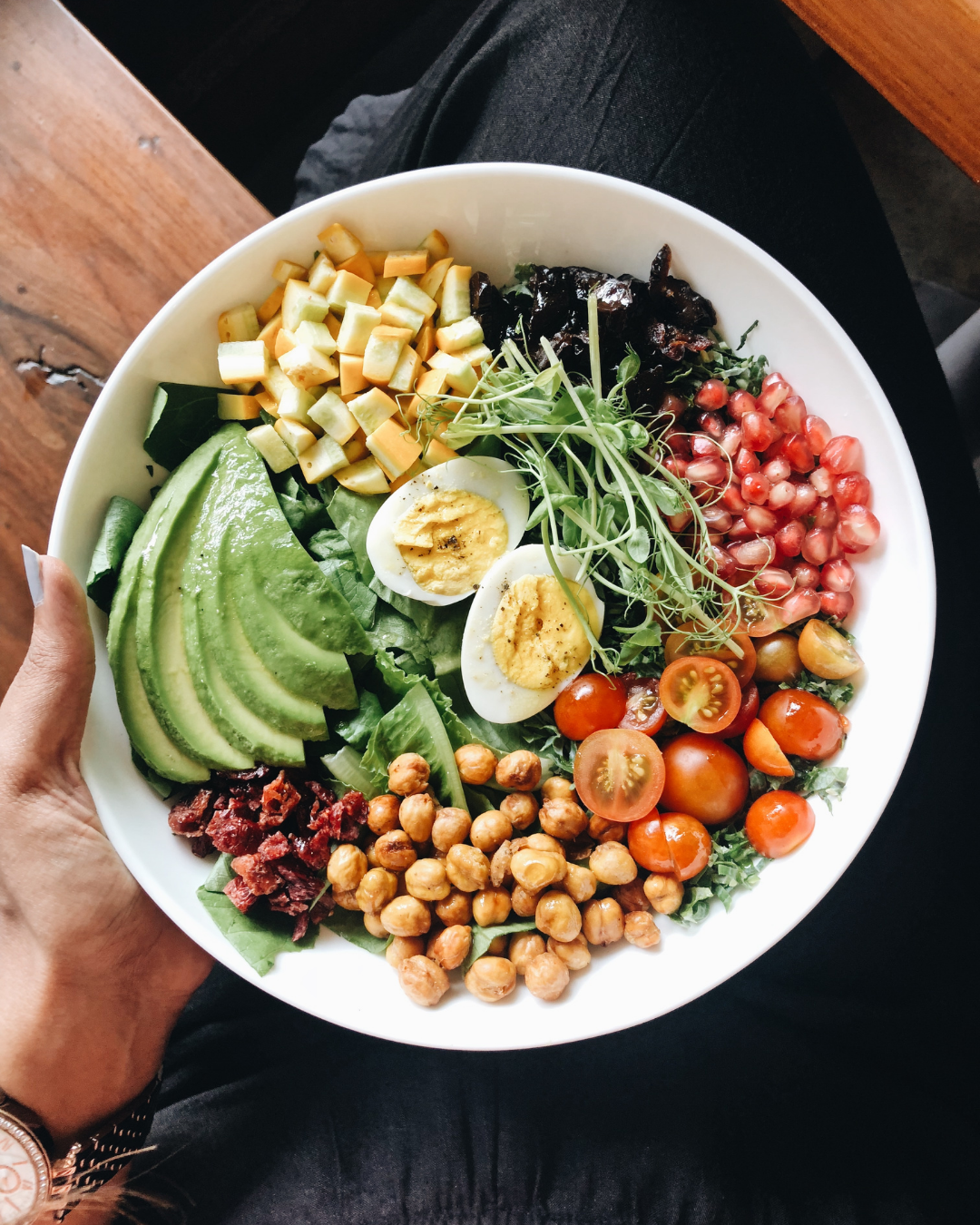
A simple place to start is the “protein, plants, and color” rule:
- Add a source of protein to each meal, such as eggs, fish, chicken, tofu, Greek yogurt, beans, or lentils.
- Fill a generous portion of your plate with vegetables or fruit.
- Choose fiber-rich carbohydrates such as oats, potatoes, brown rice, or whole-grain bread.
- Keep convenient whole-food snacks nearby so the ultra-processed option isn’t always the easiest one.
No crash diet required—just meals that work harder for your appetite.
Combine everyday movement with strength training
You don’t need to become a marathon runner to support your metabolism.
Walking, cycling, swimming, dancing, and other aerobic activities can contribute to modest reductions in weight, waist circumference, and body fat. Strength training adds another important benefit: it helps protect the lean tissue you want to keep while losing fat.
A large review of resistance-training studies found that these programs improved body composition in adults with overweight or obesity. More recent evidence also suggests that adding resistance exercise during dietary weight loss can help preserve fat-free mass and increase fat loss. [3], [4]
Try making movement feel less like an all-or-nothing workout plan:
- Take a 10-minute walk after one or two meals.
- Do two full-body strength sessions each week.
- Schedule movement the way you would schedule an appointment.
- Choose activities you genuinely enjoy—or at least don’t dread.
The best exercise plan is the one that still exists three months from now.
Give sleep a real seat at the table
Sleep rarely gets top billing in weight-management conversations, but it deserves more attention.
When you’re underslept, nutritious choices can feel harder, highly rewarding foods can become more tempting, and normal appetite signals may be more difficult to read.
In a randomized clinical trial, adults with overweight who usually slept fewer than 6.5 hours received personalized sleep-hygiene counseling. Those who extended their sleep reduced how much food they ate compared with the control group—without being instructed to change their diet or exercise. [5]

Aim for a sleep routine that is realistic, not perfect:
- Keep your wake-up time reasonably consistent.
- Give yourself a longer sleep window.
- Dim lights and put away stimulating screens before bed.
- Limit late-day caffeine.
- Speak with a healthcare professional if snoring, insomnia, or daytime exhaustion is persistent.
Sometimes the most productive thing you can do for tomorrow’s routine is go to bed.
Use gentle tracking and accountability
Weight management isn’t just about knowing what to do. It’s about turning helpful choices into repeatable habits.
You don’t necessarily need to log every calorie. Instead, try tracking the behaviors that matter most to you: protein at breakfast, daily steps, vegetables at dinner, sleep hours, or the number of strength workouts completed each week.
Research suggests that digital self-monitoring of food and activity can support weight loss, especially when the information is paired with personalized feedback. The National Institute of Diabetes and Digestive and Kidney Diseases also recommends realistic goals, ongoing support, and a plan for maintaining new habits. [6], [7]
Keep the system simple:
- Pick two or three behaviors to track.
- Review them once a week without judgment.
- Look for patterns rather than “good” and “bad” days.
- Ask a friend, coach, dietitian, or healthcare professional for support.
Progress becomes easier to manage when you can actually see it.
Explore hemp-derived metabolic support
For people interested in a plant-derived addition to the habits above, emerging cannabinoid research is opening an interesting new conversation.
SomaLeaf Metabolic Pearls feature a full-spectrum hemp extract with four highlighted cannabinoids: THCV, CBDV, CBD, and CBG.
And here’s the exciting part… We ran a real human study on the exact proprietary blend inside Metabolic Pearls.
No guessing. No lab animals. Just real people and real results.
What was tested
People took SomaLeaf’s proprietary metabolic blend for 90 days.
Researchers measured
The weight-loss results
After 90 days, people using the real formula saw big changes:
These are not just lucky stories. These are average results from the study.
Cravings nearly disappeared
| Less hunger | 99% of participants reported improvement |
|---|---|
| Fewer food cravings | 94% of participants reported improvement |
| Fewer sweet cravings | 99% of participants reported improvement |
| Fewer salty cravings | 99% of participants reported improvement |
| Easier to resist cravings | 99% of participants reported improvement |
That means people were not fighting willpower anymore. Their bodies were finally calm.
What was happening inside
Blood tests showed major improvements:
- Better blood sugar control
- Lower inflammation
- Better heart health markers
- Stronger immune markers
This matters because when inflammation goes down and blood sugar improves, your body may be better positioned to support healthy metabolic function.
Sleep improved big time
Sleep plays an important role in metabolic health. In the study:
- Deep sleep increased by almost 3 hours
- Less time awake at night
- More restful sleep overall
Supporting more consistent, restorative sleep may make healthy routines feel easier to maintain.
Stress and anxiety went down
Stress can make weight management harder. Participants reported:
- Less fear
- Less anxiety
- Less worrying
- Feeling more able to relax
What this means for you
People in the study didn’t just lose weight. They also experienced:
- Better sleep and more energy
- Fewer cravings
- Less pain
- Better mood
- More control over eating
Why Metabolic Pearls works
Metabolic Pearls contains the same proprietary blend that was used in this human study. Not something similar. Not something copied.
Metabolic Pearls contains the exact formula that produced these results.
When you take Metabolic Pearls, you are giving your body the same support the study participants received.
The bottom line
Most supplements guess. This one was tested.
Now, imagine if you paired the four points above—protein-dense meals, improved sleep, light exercise, and proper tracking—with a natural formula that has been studied to help you achieve these things faster? Who knows how well you could progress in just a few months.
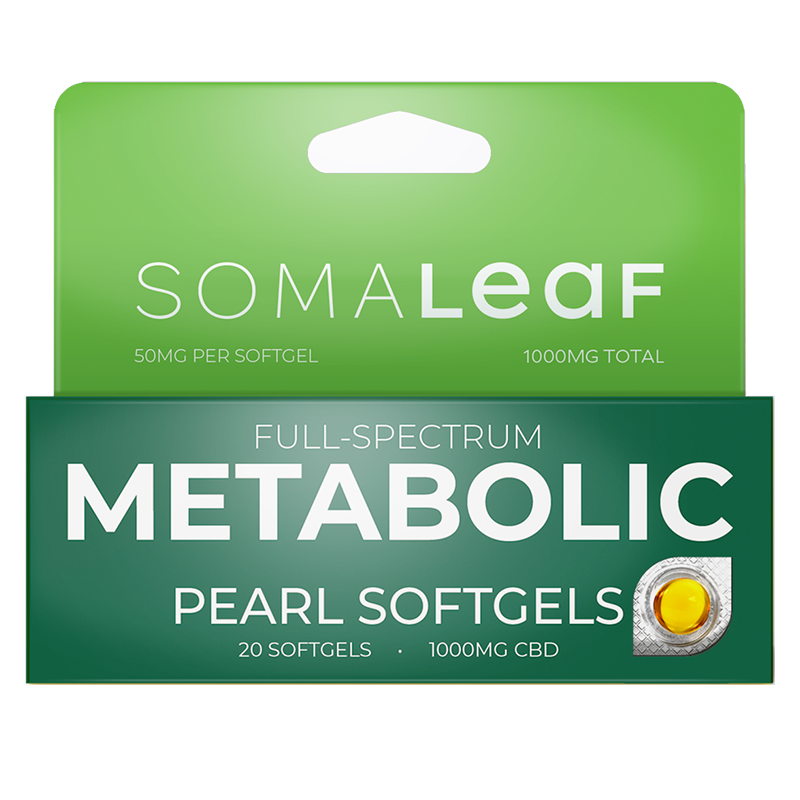
Ready to support your metabolism naturally?
Pair simple daily habits with the same proprietary blend used in SomaLeaf’s human study.
>>> Click here today and claim a special offer for SomaLeaf blog readers on our Metabolic PearlsReferences
- Dietary protein and appetite sensations in individuals with overweight and obesity: a systematic review. PubMed.
- Ultra-Processed Diets Cause Excess Calorie Intake and Weight Gain: An Inpatient Randomized Controlled Trial. PubMed.
- Resistance training effectiveness on body composition and body weight outcomes in individuals with overweight and obesity. PubMed.
- Aerobic Exercise and Weight Loss in Adults: A Systematic Review and Dose-Response Meta-Analysis. PubMed.
- Effect of Sleep Extension on Objectively Assessed Energy Intake Among Adults With Overweight. PubMed.
- Does self-monitoring diet and physical activity behaviors using digital technology support adults with obesity or overweight to lose weight? PubMed.
- Choosing a Safe & Successful Weight-loss Program. National Institute of Diabetes and Digestive and Kidney Diseases.


